Windows 10 is a mess these days thanks to a series of faulty updates that have been introducing more problems than they’ve solved, which means it’s been the perfect time for me to fall in love with a Chromebook… the Pixelbook Go, to be specific.
I’d been increasingly annoyed by Windows 10 recently. Not only have recent updates been causing problems - for example I lost the ability to search for files and apps for a day a while back, which was particularly frustrating - but there have been some long-running niggles that have been getting to me as well.
My trusty Dell XPS 13, for instance, has been bugging me with its awful battery life. Not only does it only last a few hours, but it doesn’t hold its charge well either. So, more often than not, if I pick up the XPS 13 to work on it, the battery is dead. Windows 10 laptops have never held their charge as well as MacBooks or Chromebooks, and I’d had enough.
So, one day on my way to work, rather than taking the Dell XPS 13, I thought I’d give the Pixelbook Go a… go.
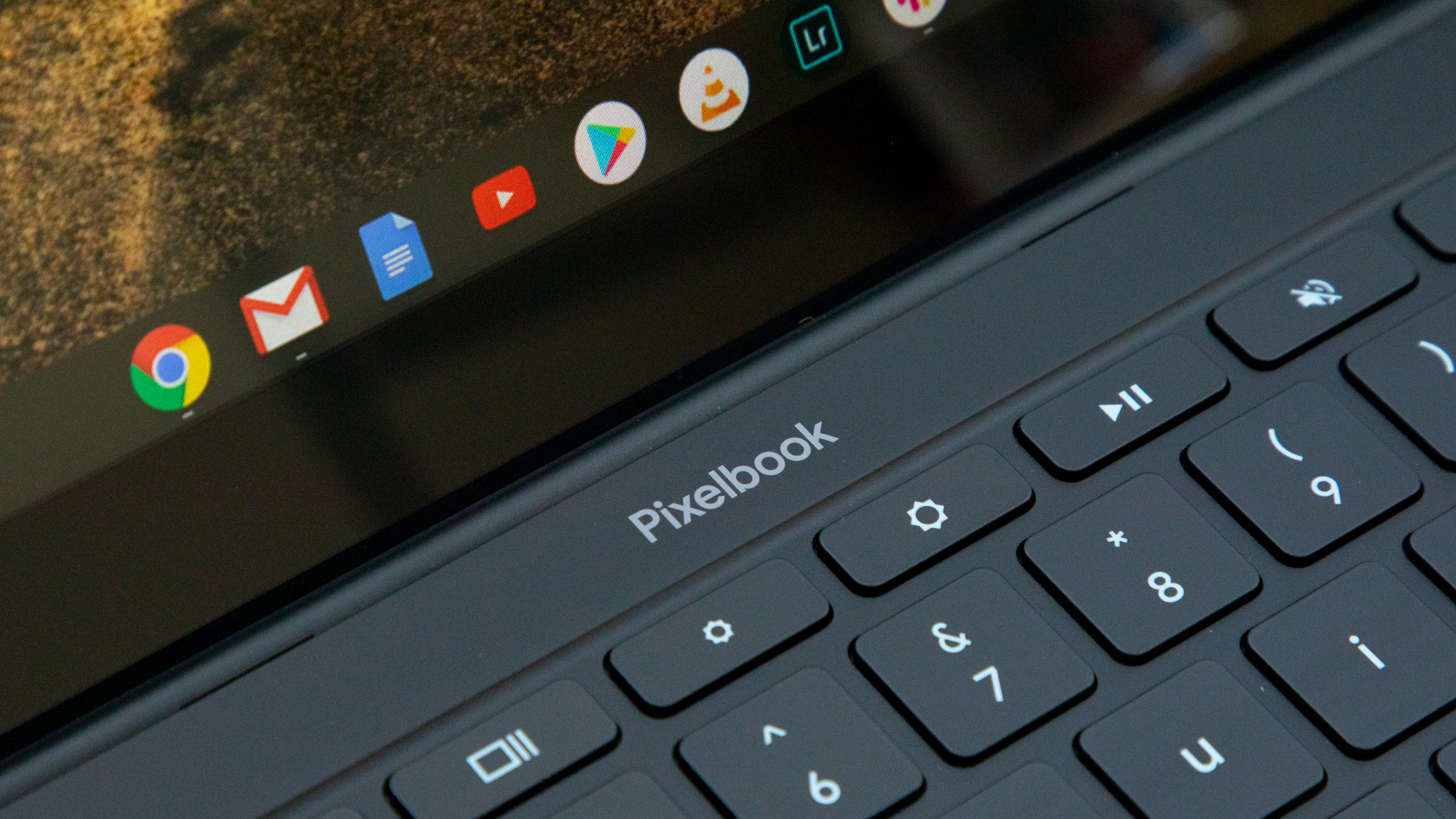
I’d heard a lot of good things about the Pixelbook Go - our review of it is glowing, and it’s currently sitting at the top of our best Chromebook list. However, I’ve never been really convinced by a Chromebook. Sure, they’ve come a long way since the first generation of devices, which were essentially useless unless you had an internet connection, but I still dismissed them as basic curios that just wouldn’t be of use to me.
How wrong I was. Chrome OS now feels much more like a fully-fledged operating system, with a file explorer and a desktop, and everything feels fast and smooth - even if there are a few bugs here and there.
The ability to use Android apps is a game changer here, as it’s instantly made Chrome OS more useful, as it allows me to run apps like Slack as a desktop-like program.
So, as far as day-to-day work goes, the Pixelbook Go meets my demands perfectly. I didn’t miss The XPS 13 – or Windows 10 – at all. The fact that the lightweight Chrome OS felt faster and snappier than the bloated Windows 10 on my aging XPS 13 was the icing on the cake.
But there were other things that really made me fall in love with the Pixelbook Go. The keyboard, for instance, is brilliant, and despite the Pixelbook Go and the Dell XPS 13 being similar sizes (13-inch laptops are perfect for working on buses and trains), the Pixelbook Go’s keyboard is so much more comfortable to type on.
There is one thing I’m not too keen on: the lack of a physical delete key. I had to search the internet to find out the keyboard shortcut (you press the Search key plus Backspace).
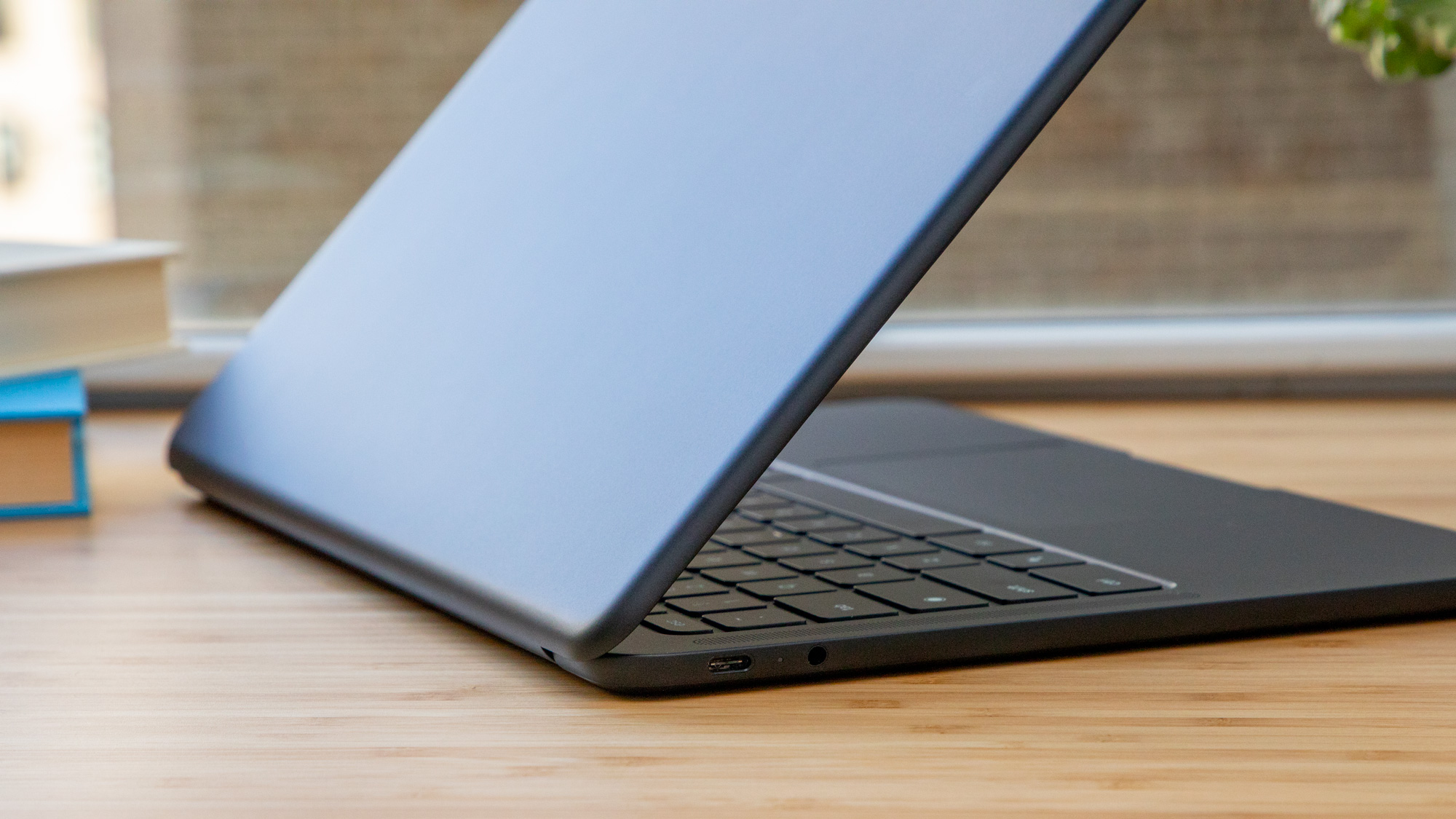
The Pixelbook Go is also lighter than the XPS 13, and while Dell’s Ultrabook is by no means heavy, I did notice the difference when carrying it around all day.
Then there’s the battery life. Oh, that battery life. Going from an aging Windows 10 laptop to the Pixelbook Go is a revelation. A single charge easily lasts all day, so when I’m out and about I’m not having to search for a power outlet.
And it holds its battery life as well! I can open it up after a few days of not using it, and the battery life is still there. This makes it an ideal machine for pulling out of a rucksack and making some quick notes. All to often, with the XPS 13, I’d take it out, open it up, and find there’s no battery left.
Perhaps best of all, though, was for the past few weeks as I was using and falling in love with the Pixelbook Go, there wasn’t a single dodgy update forced upon me. Seeing Microsoft continue to break Windows 10 didn’t give me any pleasure - but it made me even more glad to be using Chrome OS – and I now can’t see myself going back.
- These are the best laptops of 2020
from TechRadar - All the latest technology news https://ift.tt/38azA5y
Comments
Post a Comment