
Xiaomi plans to bring under-screen cameras to its smartphones next year

The front-facing camera has been a pretty constant bugbear for phone makers for a number of years now. Xiaomi certainly isn’t the first to offer a clever technological solution to the problem — and it’s also certainly not the only company to have show off under-screen camera tech — but next year, it’s committed to bringing that technology to market.

The manufacturer noted its plans today as part of its earnings report, stating that it will begin manufacturing handsets using the latest version of the technology it’s been working on for a number of years now. This actually represents the third generation of the tech. The first didn’t exist outside of the lab and the second was shown off to the public but never made it into production.

There are no doubt all sorts of practical reasons for that. Among them seems to be the issue of pixel density. For reasons that ought to be pretty obvious, there’s a big question of how to maintain a consistent pixel density in the area of the screen that sits on top of the front-facing camera. Xiaomi claims to have solved the problem, however.

“The self-developed pixel arrangement used in Xiaomi’s 3rd Generation Under-Display Camera Technology allows the screen to pass light through the gap area of ​​sub-pixels, allowing each single pixel to retain a complete RGB subpixel layout without sacrificing pixel density,” it writes in a blog post.
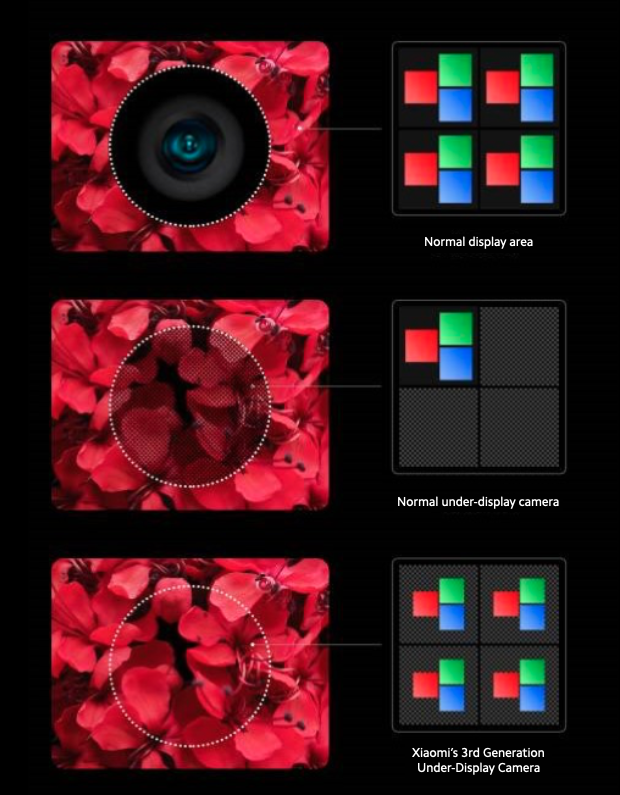
Xiaomi says it’s been able to effectively double the pixel density of competing technology, letting light through to the camera, without sacrificing the uniformity of the screen. It looks good in the side-by-side videos the company has released, but obviously it’s worth reserving judgement until mass production starts next year.


from Mobile – TechCrunch https://ift.tt/2D6IKqq

Comments

Popular posts from this blog

The future of Magic Leap's promising AR efforts dim after layoffs

The Magic Leap Two is now further away than ever, unfortunately. Today in a blog post the augmented reality pioneer announced major layoffs and has decided to cut up to half of its workforce, according to some reports. The original Magic Leap One was supposed to be one of the first mainstream augmented reality headsets when it launched in 2018, but a high price point and lack of interest from developers left the headset high and dry after launch. According to the blog post, Magic Leap says it will be focusing its efforts on enterprise solutions (a statement HTC has made recently as well) and shift its focus away from consumer technology… at least for the time being.  The company has been open about creating a second headset that would offer improved specs for some time, but how that work will now have to go forward without half of the team , according to some estimates, remains to be seen. Is the window closing on augmented reality?  Although it’s just one company, Magic...

Airship acquires SMS commerce company ReplyBuy

Airship is announcing that it has acquired mobile commerce startup ReplyBuy . The startup (which was a finalist at TechCrunch’s 1st and Future competition in 2016) works with customers like entertainment venues and professional and college sports teams to send messages and sell tickets to fans via SMS. It raised $4 million in funding from Sand Hill Angels, Kosinski Ventures, SEAG Ventures, Enspire Capital, MRTNZ Ventures and others, according to Crunchbase . Airship, meanwhile, has been expanding its platform beyond push notifications to cover customer communication across SMS, email, mobile wallets and more. But CEO Brett Caine said this is the first time the company is moving into commerce. While sports and concerts tickets might not be a booming market right now, Caine suggested that the company is actually seeing increased purchasing activity “in and around the Airship platform” as businesses try to drive more in-app purchases. He also suggested that both the COVID-19 pandem...