Anker, a popular if battery and cable company, recently announced the Mars II projector under its Nebula brand. The company, which primarily sells via Amazon, is expanding out of batteries and cables and is now creating audio and other portable AV gear. This compact, battery-powered DLP projector is their latest creation and it has found a place of honor at our family barbecues.
The projector is actually an Android 7.1 device stuffed into a case about as big as a Bluetooth speaker. A physical lens cap slides down and turns on the system and you control everything from he included remote or the buttons on the top of the device. You can also download an app that mimics a mouse and keyboard for choosing videos and information entry. It projects at a maximum of 300 lumens and projects at 720p. You can also connect an HDMI device like a game console or stick in a USB drive full of videos to view on the fly.
Again, the real benefit here is the ability to stream from various apps. I have YouTube, Netflix, Plex, and other apps installed and you can install almost any other Android app you can imagine. It has speakers built in and you can cast to it via Miracast but you cannot insert a Chromecast.
If all you want to do is throw up a little Santa Clarita Diet or Ice Age on a sheet in the back yard, this thing is perfect. Because the brightness is fairly low you need solid twilight or a partially dark room to get a good picture. However, the picture is good enough and it would also make a great presentation device for a closed, dark conference room. Because of its small size and battery life – four hours on a charge – it makes for a great alternative to a full-sized projector or even a standard TV.
At $539 the Mars II is priced on par with other 720p projectors. The primary use case – connecting a computer or console via HDMI – works quite well but streaming user experience is a bit of a mixed bag. Because Anker didn’t modify the Android installation much further than adding a few default apps, some apps require a mouse to use and others can be controlled via the arrow keys on the remote or body of the device. This means that some apps – like Plex, for example – let you pick a video via the arrow keys but require you to press the “mouse” button to begin simulating a mouse cursor on the screen. It’s a bit frustrating, especially in poor lighting conditions.
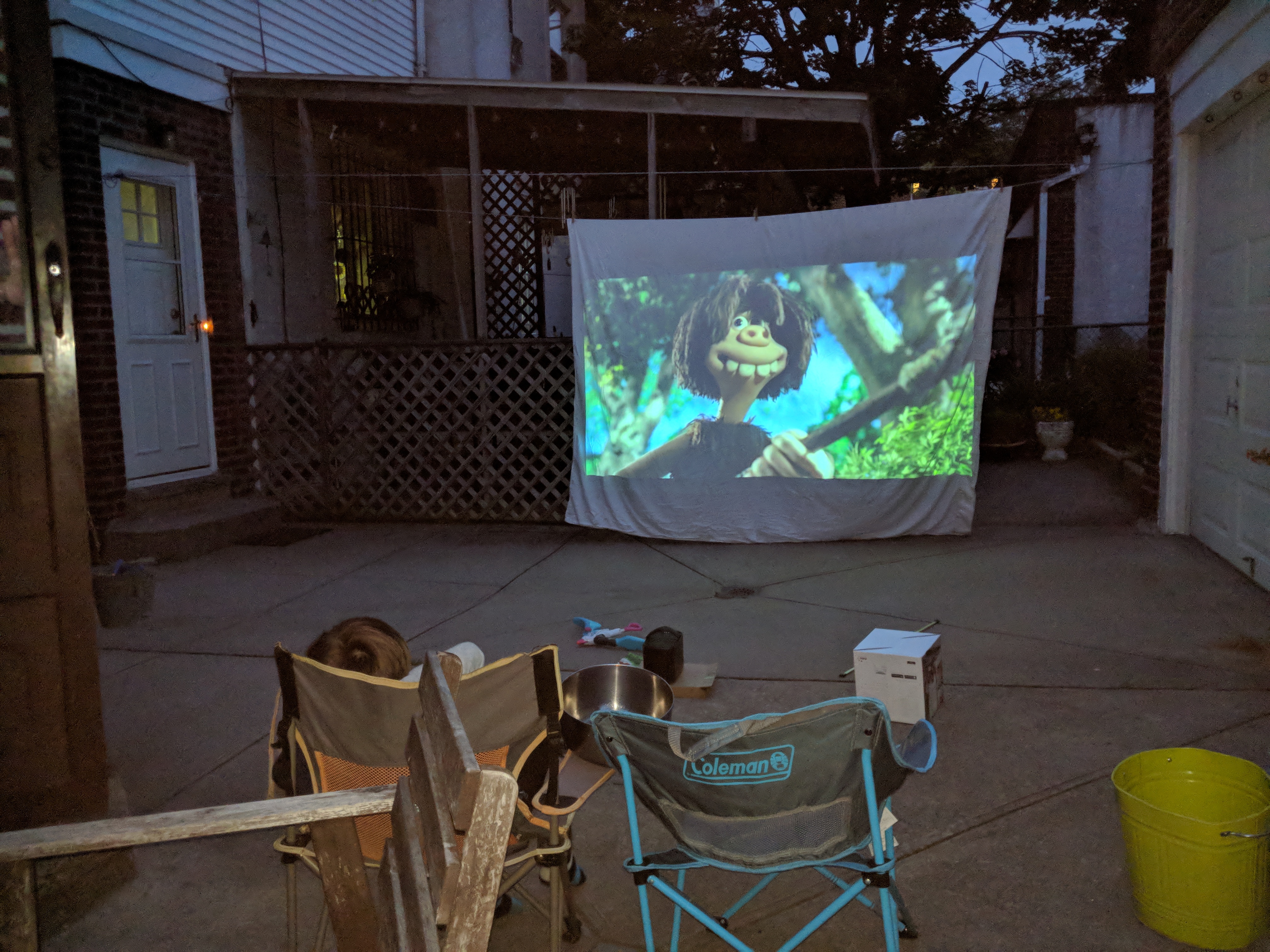
One of the interesting features is the automatic focus system. Instead of fiddling with a knob or slider, you simply point this at a surface and the system projects a bullseye focus ring until the picture is in focus. The focus changes any time you move the device and sometimes it gets caught up if the screen or projector are moving. However in most cases it works perfectly fine.
Like most portable projectors you aren’t buying the Mars II to watch 4K video in 5.1 surround sound. You buy it to offer an alternative to sitting on the couch and watching a movie. That means this is great for on-the-road business presentations, campouts, outdoor movie viewing, and sleepovers. It is cheap and portable enough to be almost disposable and it’s not as heavy and hot as other, larger devices. In short, it can go anywhere, show anything, and works really well. Anker also makes the Mars, a more expensive 1080p device, but this one works just fine for about $400 less – a big drop in just about a year of brisk sales. It’s nice to see a good, low-cost manufacturer dabble in the world of complex consumer electronics and come up with a product that is truly useful and fun.
[gallery ids="1662668,1662666,1662665,1662662,1662661"]


from Gadgets – TechCrunch https://ift.tt/2KmzZH4
Comments
Post a Comment