
The Coinmine One is a box that mines crypto at home

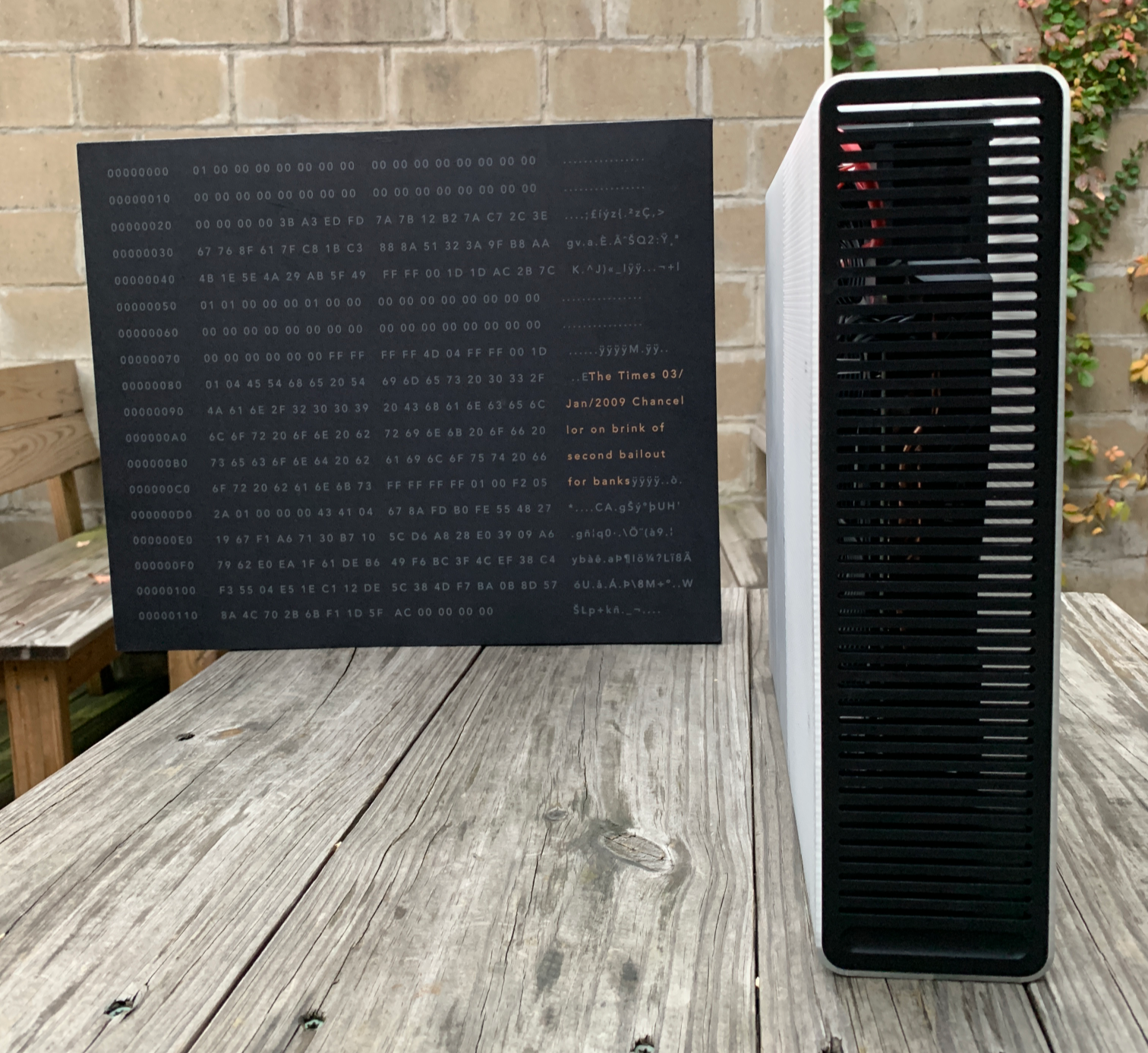
For $799 you can start mining cryptocurrencies in your home, a feat that previously either required a massive box costing thousands of dollars or, if you didn’t actually want to make any money, a Raspberry Pi. The Coinmine One, created by Farbood Nivi, soundly hits the sweet spot between actual mining and experimentation.

The box is about as big as a gaming console and runs a custom OS called MineOS. The system lets you pick a cryptocurrency to mine – Monero, for example, as the system isn’t very good with mature, ASIC-dependent currencies like BTC – and then runs it on the built in CPU and GPU. The machine contains a Intel Celeron Processor J Series processor and a AMD Radeon RX570 graphics card for mining. It also has a 1 TB drive to hold the massive blockchains required to manage these currencies.
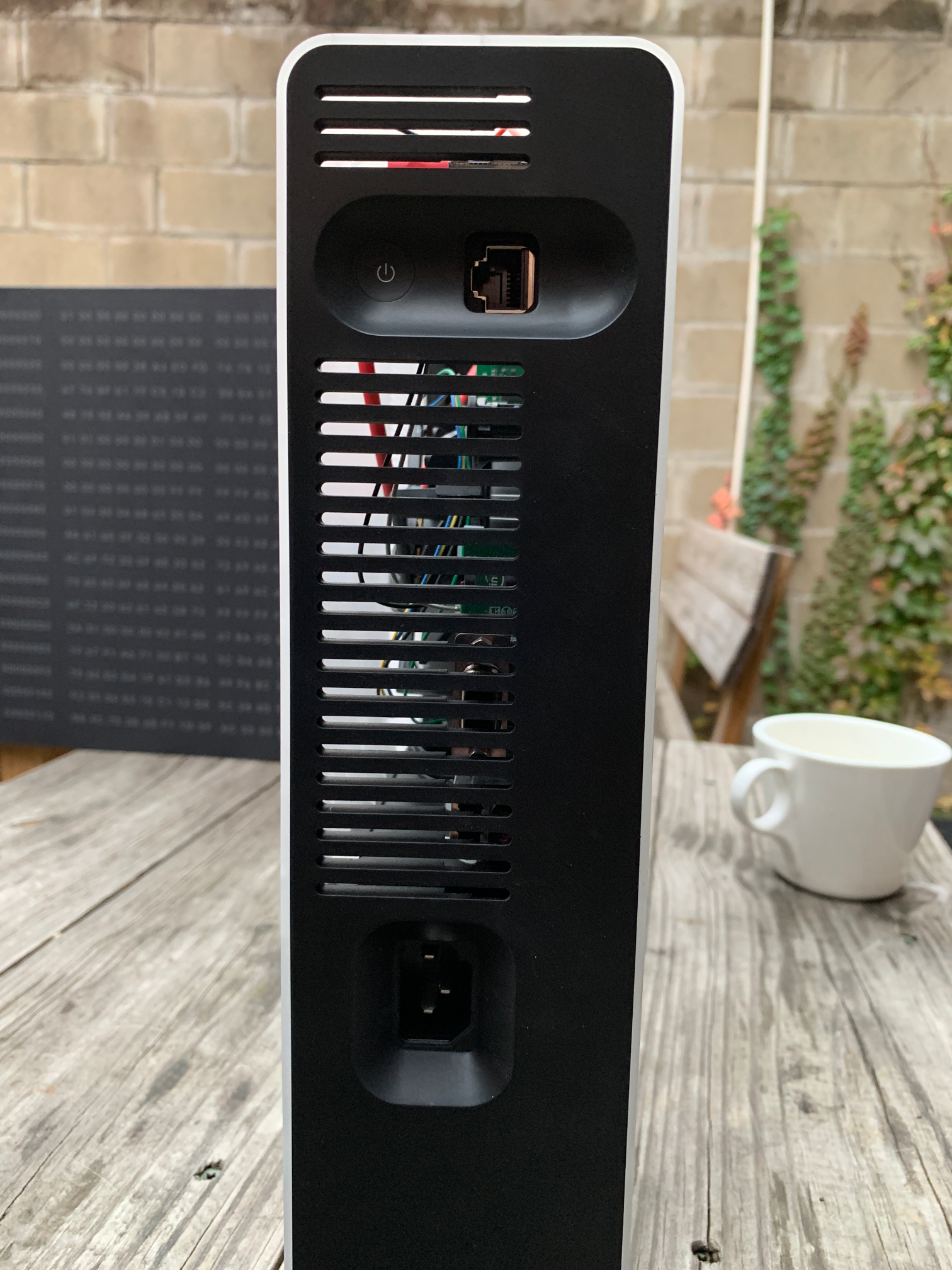
The box mines Ethereum at 29 Mh/s and Monero at 800 h/s – acceptable numbers for an entry level miner like this one. You can upgrade it to support new coins, allowing you to get in on the ground floor of whatever weird thing crypto folks create tomorrow.

I saw the Coinmine in Brooklyn and it looks nice. It’s a cleverly-made piece of consumer tech that brings the mystery of crypto mining to the average user. Nivi doesn’t see this as a profit-making machine. Instead, it is a tool to help crypto experimenters try to mine new currencies and run a full node on the network. That doesn’t mean you can’t get Lambo with this thing, but expect Lambo to take a long, long time.

The device ships next month to hungry miners world-wide. It’s a fascinating move for the average user to experience the thrills and spills of the recent crypto bust.


from Gadgets – TechCrunch https://ift.tt/2P5W5PT

Comments

Popular posts from this blog

The future of Magic Leap's promising AR efforts dim after layoffs

The Magic Leap Two is now further away than ever, unfortunately. Today in a blog post the augmented reality pioneer announced major layoffs and has decided to cut up to half of its workforce, according to some reports. The original Magic Leap One was supposed to be one of the first mainstream augmented reality headsets when it launched in 2018, but a high price point and lack of interest from developers left the headset high and dry after launch. According to the blog post, Magic Leap says it will be focusing its efforts on enterprise solutions (a statement HTC has made recently as well) and shift its focus away from consumer technology… at least for the time being.  The company has been open about creating a second headset that would offer improved specs for some time, but how that work will now have to go forward without half of the team , according to some estimates, remains to be seen. Is the window closing on augmented reality?  Although it’s just one company, Magic...

Airship acquires SMS commerce company ReplyBuy

Airship is announcing that it has acquired mobile commerce startup ReplyBuy . The startup (which was a finalist at TechCrunch’s 1st and Future competition in 2016) works with customers like entertainment venues and professional and college sports teams to send messages and sell tickets to fans via SMS. It raised $4 million in funding from Sand Hill Angels, Kosinski Ventures, SEAG Ventures, Enspire Capital, MRTNZ Ventures and others, according to Crunchbase . Airship, meanwhile, has been expanding its platform beyond push notifications to cover customer communication across SMS, email, mobile wallets and more. But CEO Brett Caine said this is the first time the company is moving into commerce. While sports and concerts tickets might not be a booming market right now, Caine suggested that the company is actually seeing increased purchasing activity “in and around the Airship platform” as businesses try to drive more in-app purchases. He also suggested that both the COVID-19 pandem...