
Shine adds invoice insurance to its freelancer bank account

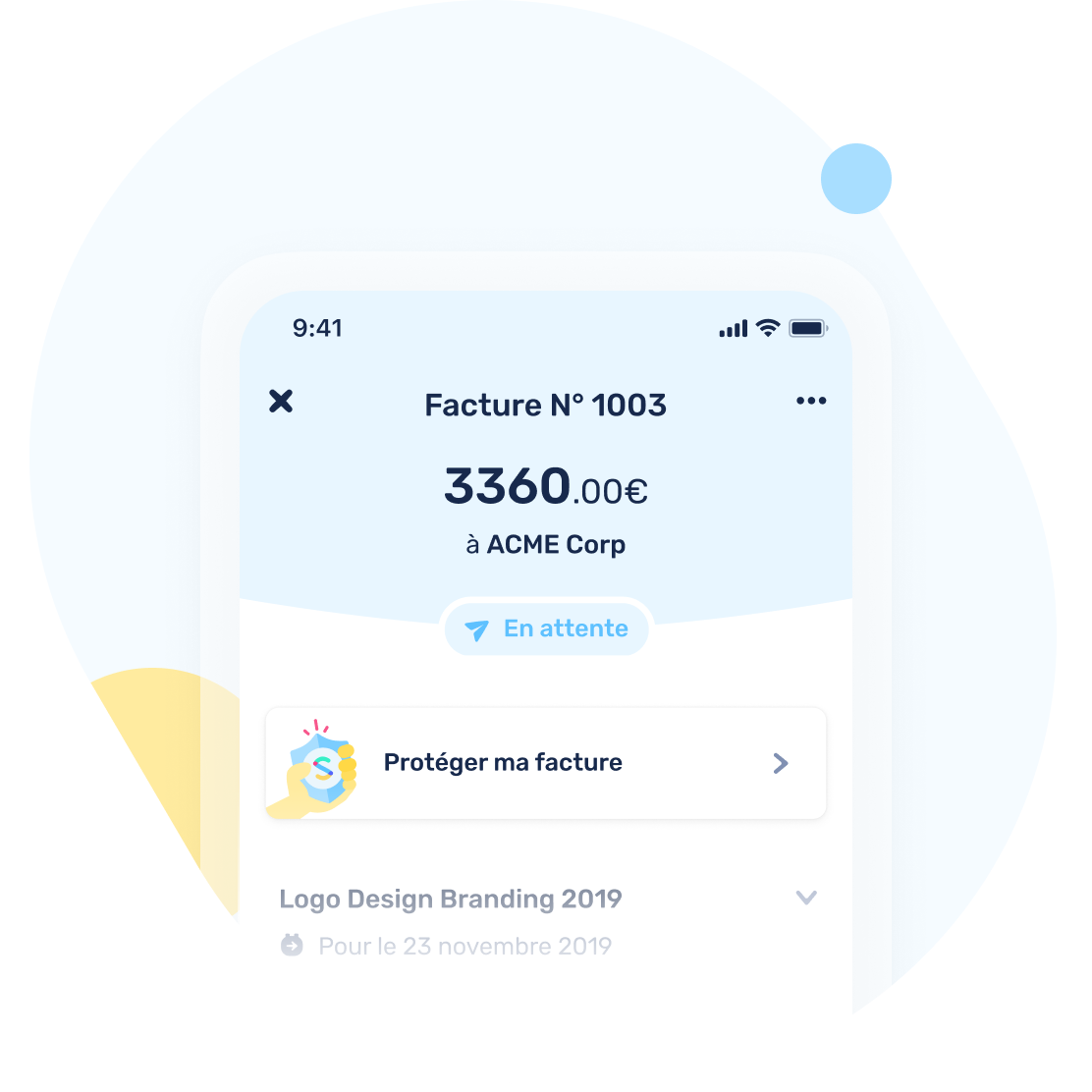
French startup Shine is adding a new option today. If you think there’s a chance that a client is not going to pay your next invoice, you can insure that invoice to avoid any bad surprise.

Shine is building a challenger bank for freelancers and small companies. It lets you send and receive money in a separate business account, pay with a MasterCard, create invoices and stay on top of administrative tasks.

It also helps you get started as the startup can fill out all administrative paperwork to register yourself as a freelancer. You also get notifications to remind you that you should pay your taxes and more. Starting accepting freelancing jobs can be confusing and Shine can help you with that.

Shine has a built-in invoicing tool. It lets you add a client and generate an invoice directly in the mobile app. After that, you can send a link to your client. You get a notification when your client opens the invoice. They can download a PDF and get your bank details to pay you.

And yet, many clients often wait until the last minute to pay an invoice. It can be a month or two after finishing a job, which means that they also forget about outstanding invoices.

In a few weeks, Shine users will be able to create an invoice and insure it before sending it. It costs you 2% of your total amount on your invoice. There’s no subscription fee, it’s a one-off process.

If your client hasn’t paid you after the due date, Shine will reach out to your client again to try to get the payment. If that doesn’t work, you can file a claim with the partner insurance company.

In that case, if the company is still operating, you get paid 100% of your invoice. If the company has collapsed, you get 90% back. (Of course, that’s without taking into account the 2% fees you already paid.)


from Mobile – TechCrunch https://ift.tt/2y35K75

Comments

Popular posts from this blog

The future of Magic Leap's promising AR efforts dim after layoffs

The Magic Leap Two is now further away than ever, unfortunately. Today in a blog post the augmented reality pioneer announced major layoffs and has decided to cut up to half of its workforce, according to some reports. The original Magic Leap One was supposed to be one of the first mainstream augmented reality headsets when it launched in 2018, but a high price point and lack of interest from developers left the headset high and dry after launch. According to the blog post, Magic Leap says it will be focusing its efforts on enterprise solutions (a statement HTC has made recently as well) and shift its focus away from consumer technology… at least for the time being.  The company has been open about creating a second headset that would offer improved specs for some time, but how that work will now have to go forward without half of the team , according to some estimates, remains to be seen. Is the window closing on augmented reality?  Although it’s just one company, Magic...

Airship acquires SMS commerce company ReplyBuy

Airship is announcing that it has acquired mobile commerce startup ReplyBuy . The startup (which was a finalist at TechCrunch’s 1st and Future competition in 2016) works with customers like entertainment venues and professional and college sports teams to send messages and sell tickets to fans via SMS. It raised $4 million in funding from Sand Hill Angels, Kosinski Ventures, SEAG Ventures, Enspire Capital, MRTNZ Ventures and others, according to Crunchbase . Airship, meanwhile, has been expanding its platform beyond push notifications to cover customer communication across SMS, email, mobile wallets and more. But CEO Brett Caine said this is the first time the company is moving into commerce. While sports and concerts tickets might not be a booming market right now, Caine suggested that the company is actually seeing increased purchasing activity “in and around the Airship platform” as businesses try to drive more in-app purchases. He also suggested that both the COVID-19 pandem...